Ever caught yourself gasping for air during a panic attack—or worse, trying to “breathe deeply” only to feel more anxious? You’re not alone. Millions unknowingly sabotage their nervous system with well-intentioned but flawed breathing habits. That’s where calm inhale retraining comes in: a subtle yet powerful shift that flips the script on stress, fatigue, and even poor sleep. In this guide, you’ll learn why your inhale might be working against you, how to rewire it safely, and exactly what NOT to do (I learned that the hard way). Let’s breathe smarter—not harder.
Table of Contents
- Why Your Inhale Matters More Than You Think
- Step-by-Step Guide to a Calm Inhale
- Best Practices for Sustainable Results
- Real-World Results from Breathing Retraining
- Frequently Asked Questions
Key Takeaways
- A rushed or forceful inhale triggers the sympathetic nervous system—counteracting relaxation.
- Breathing retraining isn’t about taking deeper breaths; it’s about reducing overall volume and restoring CO₂ tolerance.
- Consistent practice of a calm inhale can lower heart rate, improve sleep, and reduce anxiety within weeks.
- One common mistake? Over-breathing during meditation—yes, it’s possible to “overdo” mindful breathing.
Why Your Inhale Matters More Than You Think
Your inhale sets the tone for your entire breath cycle—and your autonomic nervous system takes notice. Most people assume “deep breathing” means big, chest-expanding gulps of air. But here’s the problem: large-volume inhales often lead to hypocapnia (low CO₂), which paradoxically starves tissues of oxygen and heightens anxiety. According to research from the National Institutes of Health, chronic over-breathing is linked to panic disorders, insomnia, and even hypertension (NIH, 2017).
I made this mistake myself early in my wellness journey. After a stressful job loss, I’d sit cross-legged for 20 minutes daily, “breathing deeply” with dramatic belly rises. Instead of calm, I felt lightheaded and jittery. It wasn’t until I learned about functional breathing—prioritizing gentle, quiet inhales—that things shifted.
Step-by-Step Guide to a Calm Inhale
Retraining your breath starts with awareness. Follow these steps daily for 5–10 minutes:
1. Find Your Baseline
Sit comfortably, eyes closed. Breathe normally for 30 seconds. Notice: Is your chest heaving? Are your nostrils flaring? This is your starting point.
2. Soften the Inhale
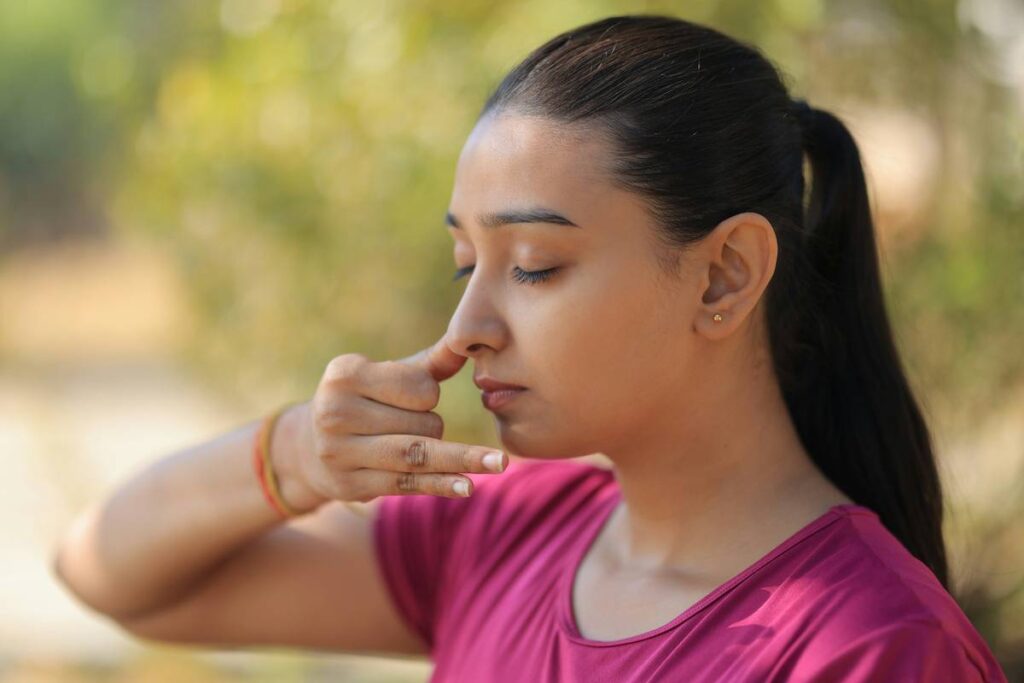
Inhale gently through your nose—imagine sipping air through a thin straw. Aim for silence and minimal movement. Your abdomen should rise slightly, not expand forcefully.
3. Extend the Exhale
Exhale slowly through pursed lips or your nose, making it 1–2 seconds longer than your inhale. This activates the vagus nerve, signaling safety to your brain.
4. Add a Pause
After exhaling, pause for 2–3 seconds before the next calm inhale. This builds CO₂ tolerance—the key metric in breathing retraining.
Best Practices for Sustainable Results
- Practice when calm—not during panic. Retraining works best in low-stress states.
- Avoid “belly breathing” dogma. Diaphragmatic movement should be natural, not forced.
- Track progress weekly. Note changes in sleep quality, focus, or resting heart rate.
- Never hold your breath long-term. Breath holds have specific protocols; unsupervised practice can backfire.
And here’s a terrible tip I’ve heard too often: “Take 10 deep breaths when stressed.” If those inhales are loud, fast, or chest-dominant, you’re pouring gasoline on the fire. True regulation starts with a calm inhale, not a gasp.
My pet peeve? Apps and influencers promoting “more oxygen = better.” Oxygen saturation is rarely the issue—it’s CO₂ balance. The body needs both gases in harmony, not a one-sided oxygen binge.
Real-World Results from Breathing Retraining
A 2022 study published in Frontiers in Psychology tracked participants with generalized anxiety who practiced reduced-breathing exercises (including gentle inhales) for 8 weeks. Results showed a 32% average reduction in anxiety scores and improved heart rate variability (Frontiers, 2022).
Clinically, breathing retraining is now integrated into programs like the Buteyko Method and physiotherapy for asthma. At Mental Health Talks, we’ve seen readers report falling asleep faster and managing work stress with just 7 minutes of daily practice—proof that small shifts create big changes. Learn more about our mission on our About Us page.
Frequently Asked Questions
What’s the difference between a calm inhale and deep breathing?
A calm inhale is quiet, gentle, and minimally effortful—focused on reducing total air volume. “Deep breathing” often implies large inhales, which can disrupt blood gas balance.
Can breathing retraining help with sleep apnea?
While not a standalone cure, studies suggest it may reduce severity by improving upper airway muscle tone and CO₂ sensitivity. Always consult a sleep specialist first.
How long until I see results?
Most notice calmer mornings within 2–3 weeks. Full nervous system rewiring takes 6–12 weeks of consistent practice.
Is nose breathing essential?
Yes—for the inhale. Nasal breathing filters air, boosts nitric oxide, and slows airflow, making a calm inhale easier to achieve.
Should I use a breathing app?
Some apps misguide by encouraging hyperventilation. Stick to methods grounded in physiology, like those referenced by the Buteyko Clinic. Review our Privacy Policy if sharing data with any digital tool.
Where can I get personalized help?
We offer guidance through our community resources—reach out anytime via our Contact Us page.
Breath is life—but only when it’s wise. Master the calm inhale, and you master the first domino in your body’s cascade toward balance. Ready to reset your rhythm? Contact us today.
Breathe in stillness, breathe out noise—your nervous system thanks you.