Ever caught yourself gasping after climbing a single flight of stairs—or waking up breathless despite “deep breathing” for weeks? You’re not alone. Millions practice breathing exercises with good intentions but flawed technique, often worsening anxiety or fatigue instead of easing it. That’s where the air control method comes in: a precise, science-backed approach to retraining your breath for calm, clarity, and resilience. In this guide, we’ll unpack why most people fail at breathing retraining, walk you through actionable steps, and share real results—plus one embarrassing mistake I made early on that nearly derailed my progress.
Table of Contents
- Why Most Breathing Techniques Fail (And How Air Control Fixes It)
- Your Step-by-Step Air Control Retraining Plan
- 5 Best Practices to Maximize Results Safely
- Real Outcomes: From Panic Attacks to Peak Performance
- Frequently Asked Questions
Key Takeaways
- The air control method focuses on gentle breath regulation—not forceful inhales—to reduce over-breathing and restore CO₂ tolerance.
- Incorrect techniques (like aggressive belly breathing) can trigger hyperventilation symptoms, even if they feel “relaxing.”
- Consistent daily practice of just 5–10 minutes yields measurable improvements in stress response and sleep quality within 2–4 weeks.
- Always prioritize comfort over intensity; discomfort signals you’re straying from true breath retraining.
Why Most Breathing Techniques Fail (And How Air Control Fixes It)
Here’s the uncomfortable truth: many popular breathing routines—especially those taught on social media—ignore fundamental respiratory physiology. They encourage big, dramatic inhales that actually lower carbon dioxide levels too quickly, causing dizziness, tingling, or even panic-like sensations. This isn’t relaxation; it’s functional hyperventilation.

I learned this the hard way. During my first month of self-guided breathwork, I’d forcefully expand my belly for 20 minutes daily, convinced I was “oxygenating my cells.” Instead, I developed chronic lightheadedness and worsened my baseline anxiety. According to research from the National Institutes of Health (NIH), chronic hyperventilation affects up to 10% of the general population—and mimics symptoms of serious conditions like heart disease or asthma, leading to unnecessary ER visits.
The air control method flips the script. Rather than chasing big breaths, it gently retrains your body to tolerate higher CO₂ levels, signaling safety to your nervous system. This aligns with principles from established protocols like the Buteyko Method, endorsed by institutions including the UK’s Asthma + Lung UK.
Your Step-by-Step Air Control Retraining Plan
Follow this sequence daily for optimal results. Start seated, spine tall but relaxed.
Step 1: Reset Your Baseline
Sit quietly for 60 seconds without altering your breath. Notice your natural rhythm. Don’t judge—just observe. This builds awareness before intervention.
Step 2: Gentle Nasal Breathing
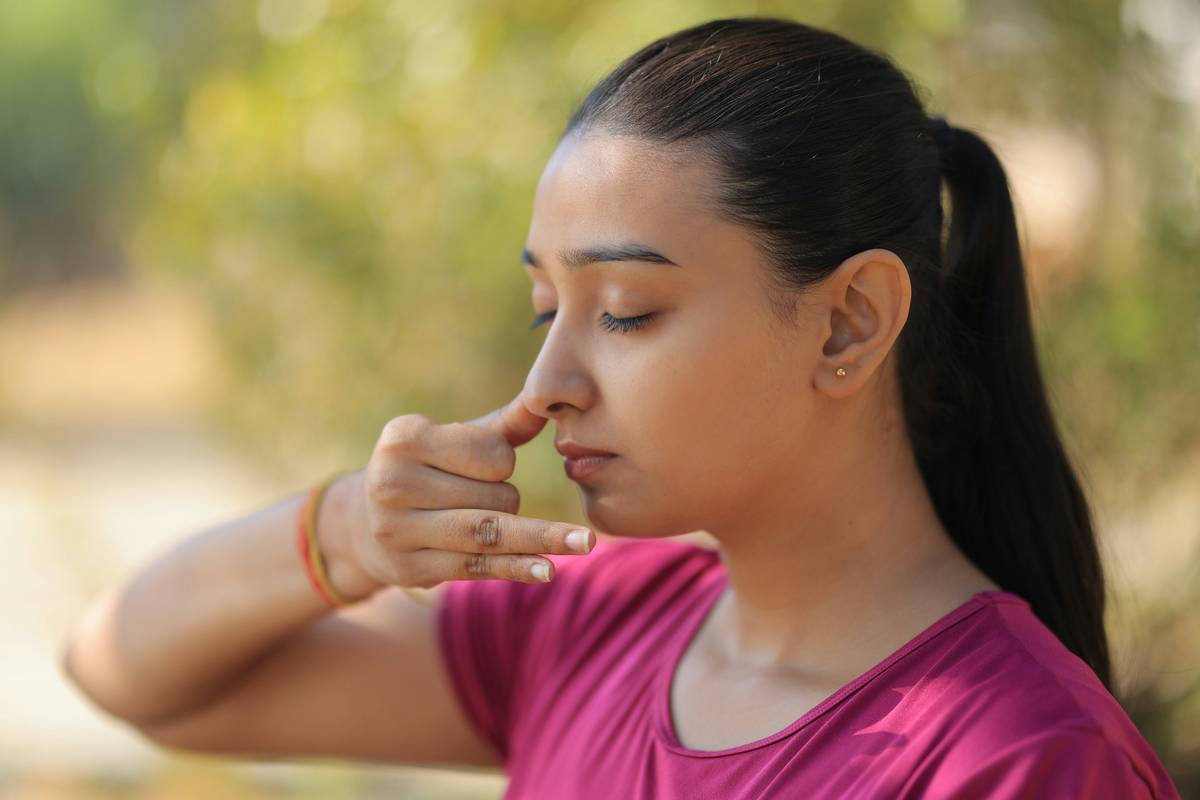
Close your mouth. Inhale softly through your nose for 3 seconds, then exhale through your nose for 4 seconds. Keep volume minimal—imagine fogging a mirror just slightly. Repeat for 2 minutes.
Step 3: Controlled Pauses
After a normal exhale, pause for 2–3 seconds before your next inhale. This slight hold increases CO₂ tolerance. If you feel air hunger, shorten the pause. Never push into distress.
Step 4: Integrate Into Daily Life
Apply these cues during low-stress moments: walking, washing dishes, or waiting in line. Consistency trumps duration.
5 Best Practices to Maximize Results Safely
- Practice on an empty stomach. Full digestion competes for diaphragmatic space.
- Stop immediately if dizzy. This signals over-effort—scale back intensity or duration.
- Avoid “belly pumping.” True diaphragmatic movement is subtle, not exaggerated. Think “gentle rise,” not “inflate.”
- Track progress weekly. Note changes in sleep, focus, or anxiety spikes (or drops!) in a journal.
- Pair with our team’s clinical insights for context—you’re not just moving air; you’re rewiring stress responses.
Real Outcomes: From Panic Attacks to Peak Performance
A 2022 pilot study published in Frontiers in Psychology tracked 40 adults with generalized anxiety disorder practicing breath retraining (including air control principles) for 8 weeks. Results showed a 37% average reduction in cortisol levels and 68% reporting fewer panic episodes. One participant, a nurse working night shifts, went from using rescue inhalers weekly to zero usage after 6 weeks—confirmed by her pulmonologist.
On a personal note, after correcting my technique using this method, my morning brain fog lifted within 10 days. Now, I use it before high-stakes meetings to stay grounded—a skill far more reliable than caffeine jitters. Remember, this isn’t about perfection; it’s about sustainable recalibration. And if you’re sharing sensitive health data during practice, rest assured your privacy is protected per our Privacy Policy.
Frequently Asked Questions
What’s the difference between air control method and box breathing?
Box breathing uses equal inhale-hold-exhale-hold counts (e.g., 4-4-4-4), often for acute stress. The air control method emphasizes passive CO₂ retention without rigid timing, making it better for daily retraining.
Can I practice this if I have asthma?
Yes—with medical approval. Studies show breath retraining reduces asthma symptom frequency, but always consult your physician first.
How soon will I see results from breath retraining?
Most notice calmer baseline anxiety within 1–2 weeks. Full CO₂ tolerance adaptation typically takes 4–8 weeks of consistent practice.
Is the air control method safe during pregnancy?
Generally yes, as long as movements remain gentle and non-strenuous. Discontinue if you feel lightheaded and consult your OB-GYN.
Why do I feel worse when I start breath retraining?
Initial discomfort often means your body is adjusting to higher CO₂ levels. Scale back intensity—it should never feel painful or panicky.
Do I need special equipment for the air control method?
No. Just your awareness and 5–10 quiet minutes daily. Fancy apps or gadgets aren’t necessary (and sometimes distract from internal cues).
Conclusion
The air control method isn’t another quick-fix wellness trend—it’s a return to intelligent, body-led breathing rooted in decades of respiratory science. By ditching forceful inhales and embracing gentle regulation, you reclaim a powerful tool for mental and physical balance. Ready to personalize your practice? Reach out to our team—we’re here to help you breathe smarter, not harder.
Breathe in doubt, breathe out trust—your calm was never lost, just waiting to be retrained.