Most people think shortness of breath is just “getting older.” Or stress. Or maybe poor fitness. But what if your lungs aren’t broken—they’re just misprogrammed? Standard inhalers, steam rooms, and even yoga often miss the root cause: dysfunctional breathing patterns wired deep in your nervous system. The solution isn’t more air—it’s smarter air. That’s where lung healing therapy enters, not as a quick fix but as a neurological reset.
Why Most Breathing Techniques Fail
Box breathing. 4-7-8. Diaphragmatic drills. They work—for minutes. Then life happens. An email pings. Traffic jams. Your breath snaps back to shallow, rapid, upper-chest mode. Why? Because these methods treat symptoms, not software. Your respiratory control center—buried in the brainstem—runs on autopilot shaped by chronic stress, mouth breathing since childhood, or even untreated sleep apnea.
And here’s the kicker: overbreathing feels like underbreathing. You gasp because CO₂ drops too low—not because oxygen is scarce. The math is simple: low CO₂ = constricted airways + anxious signaling. Yet clinics keep pushing O₂ saturation as the gold standard. It’s not.
Lung Healing Therapy: A Step-by-Step Reset Protocol
This isn’t meditation with extra steps. It’s neuroplastic retraining for your lungs—deliberate, daily, and slightly uncomfortable at first.
Phase 1: Mouth Taping at Night
Nasal breathing during sleep boosts nitric oxide production—dilating airways and improving oxygen uptake. Start with micropore tape across lips (just enough to stay closed). Yes, it feels weird. Push through. Within 3 nights, many report deeper sleep and morning clarity.
Phase 2: Reduced Volume Breathing
Sit upright. Breathe gently through your nose. After exhaling, pause for 2 seconds—no inhale. Repeat 5 minutes, twice daily. Goal: raise CO₂ tolerance. Your body stops panicking over normal levels. This is the core of lung healing therapy.
Phase 3: Walking Breath Holds
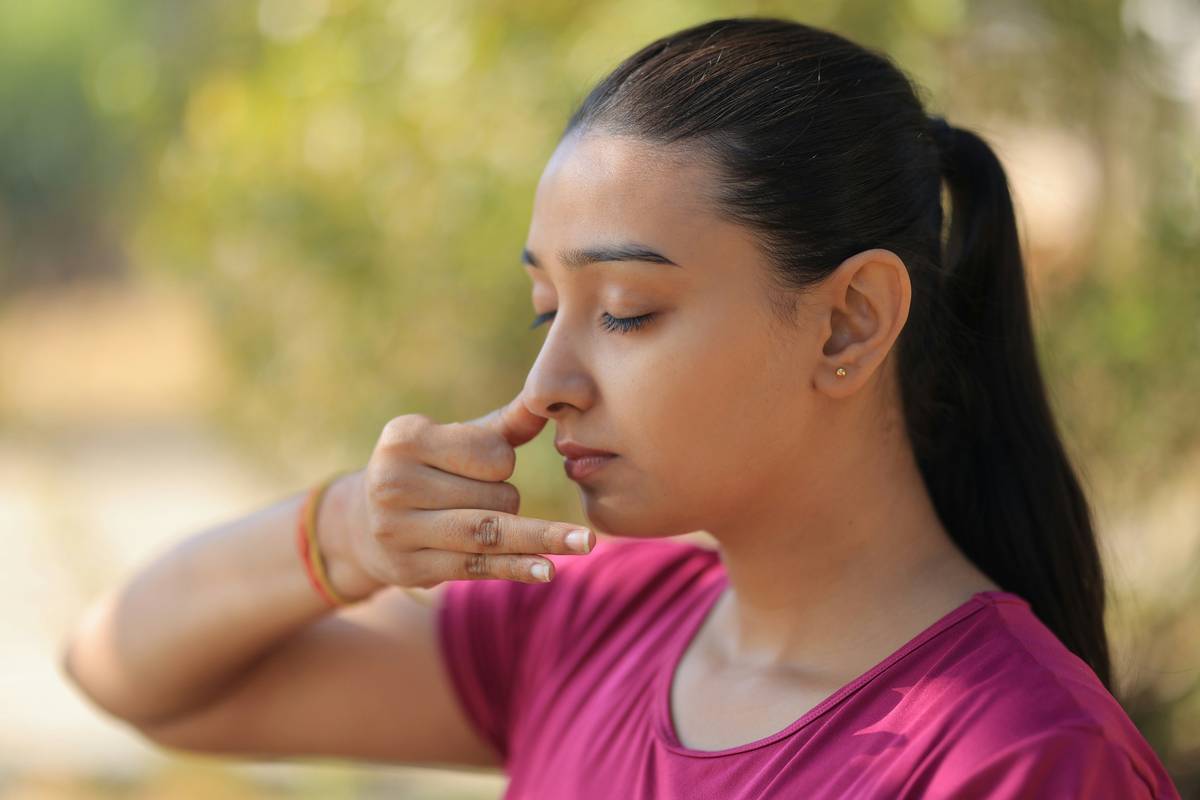
After a normal exhale, pinch your nose and walk calmly until mild air hunger hits. Release. Breathe normally for 1 minute. Repeat 4x. Do this post-meal. Builds real-world resilience without triggering fight-or-flight.
| Method | Daily Time Commitment | Cost | Time to Noticeable Change |
|---|---|---|---|
| Mouth Taping | 8 hours (overnight) | $2/month (tape) | 3–7 days |
| Reduced Volume Breathing | 10 minutes | $0 | 5–10 days |
| Walking Breath Holds | 8 minutes | $0 | 7–14 days |
| Inhaler Dependency | As needed | $50–$300/month | Temporary relief only |

The Industry Secret: CO₂ Is Your Ally—Not the Enemy
Pulmonologists won’t tell you this: chronically low CO₂ (from habitual overbreathing) directly stiffens bronchial smooth muscle. It’s why asthmatics wheeze more during panic—even with clean air. The Bohr effect isn’t theory; it’s biochemistry. Higher CO₂ = hemoglobin releases oxygen more efficiently into tissues. Yet mainstream protocols chase higher O₂ while ignoring the gas that actually regulates delivery.
Think about it. Navy SEALs use controlled hypoxia training not to survive less oxygen—but to teach cells to use it better. Same principle. Lung healing therapy flips the script: stop chasing air. Start retaining CO₂.
Frequently Asked Questions
Can lung healing therapy help with asthma?
Yes—by resetting CO₂ sensitivity and reducing bronchial hyperreactivity. It complements medication but doesn’t replace emergency inhalers.
How soon will I feel results?
Most notice calmer breathing and better sleep within a week. Full neurological rewiring takes 6–8 weeks of consistent practice.
Is mouth taping safe?
Absolutely—if you can breathe comfortably through your nose while awake. Stop immediately if you feel choking or nasal obstruction.