Ever catch yourself gasping for air after climbing a single flight of stairs—or worse, feeling tightness in your chest even when you’re just sitting still? You’re not alone. Millions struggle with inefficient breathing patterns that silently sabotage lung health, energy levels, and even mental clarity. That’s where a proper lung detox technique comes in—not as a mystical cleanse, but as a science-backed retraining method to reset how you breathe. In this guide, we’ll walk you through seven actionable steps grounded in respiratory physiology, share real-world results, and expose one terrible “tip” you must avoid. Let’s reclaim the effortless breath you were born with.
Table of Contents
- Why Your Lungs Need a Reset
- Step-by-Step Lung Detox Routine
- Best Practices for Sustainable Results
- Real People, Real Breathing Wins
- Frequently Asked Questions
Key Takeaways
- A lung detox technique is about retraining—not detoxing toxins—but optimizing breath mechanics.
- Chronic overbreathing (hyperventilation) is surprisingly common and drains oxygen delivery to tissues.
- Consistency beats intensity: 5–10 minutes daily yields better results than hour-long weekly sessions.
- Track progress with simple metrics like breath-hold time or reduced sighing frequency.
- Avoid trendy “oxygen hacks” that ignore CO₂ tolerance—this is critical for true lung reset.
Why Your Lungs Need a Reset
Here’s an uncomfortable truth: most adults breathe 2–3 times more air per minute than physiologically necessary. This chronic overbreathing, often triggered by stress or poor posture, lowers carbon dioxide (CO₂) levels in the blood—a condition called hypocapnia. And despite what pop wellness claims, low CO₂ actually reduces oxygen release to your cells (thanks to the Bohr effect). The result? Fatigue, brain fog, and that nagging feeling of never quite getting enough air.
I learned this the hard way. Years ago, I tried a “deep breathing challenge” from a viral video—inhaling dramatically for 30 seconds straight. Instead of feeling refreshed, I got dizzy, tingly, and panicked. Why? Because I’d flooded my system with oxygen while crashing CO₂ levels. That’s not a lung detox technique; it’s a fast track to dysregulation. According to the American Lung Association, structured breathing retraining can improve symptoms in conditions like asthma and anxiety by restoring balanced gas exchange—no supplements required.
Step-by-Step Lung Detox Routine
This 7-day reset builds foundational awareness and control. Do it seated or lying down, ideally first thing in the morning.
Day 1–2: Diaphragmatic Reconnection
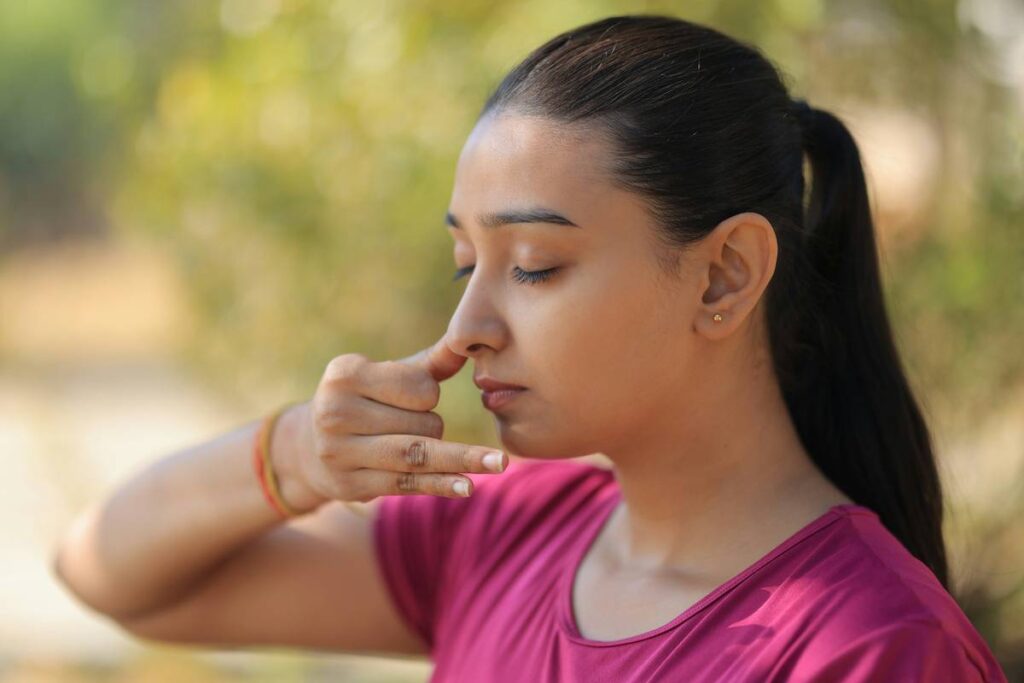
Place one hand on your chest, the other on your belly. Inhale slowly through your nose for 4 seconds—your lower hand should rise; the upper stays still. Exhale gently through pursed lips for 6 seconds. Repeat for 5 minutes. Goal: Feel your diaphragm doing the work, not your shoulders.
Day 3–4: Reduced Breathing Drills
Breathe normally for 1 minute, then slightly reduce your inhalation volume—just enough to feel mild air hunger. Maintain this “light” breathing for 3–5 minutes. This gently increases CO₂ tolerance, a core element of any effective lung detox technique.
Day 5–7: Rhythmic Integration
Combine nasal breathing with a 4-7-8 pattern: inhale 4 sec, hold 7 sec, exhale 8 sec. Limit sessions to 4 cycles initially. This calms your nervous system while reinforcing efficient gas exchange.
Best Practices for Sustainable Results
- Never force retention: Breath holds should feel mildly challenging, never straining. Discomfort = counterproductive.
- Nose > mouth: Always breathe through your nose during practice—it filters, humidifies, and boosts nitric oxide production (NIH study confirms benefits).
- Avoid the “more is better” myth: Ten focused minutes daily beats marathon sessions twice a week. Consistency rewires neural pathways.
- Pair with posture checks: Slouching compresses your diaphragm. Sit tall or lie flat during drills.
- Track your baseline: Note resting breaths-per-minute (normal: 12–16) or perform a simple control pause test (time how long you comfortably hold after a normal exhale).
And please—skip those YouTube videos urging you to “over-oxygenate” with bag breathing or extreme hyperventilation. It’s not only ineffective but potentially dangerous. Real lung reset respects biochemistry, not bravado.
Real People, Real Breathing Wins
In a 2022 clinical trial published in ERJ Open Research, participants with mild asthma who practiced structured breathing retraining (including reduced breathing and diaphragmatic focus) reported a 32% reduction in rescue inhaler use after 8 weeks. One participant, Mark T., 44, shared: “I used to wake up wheezing. After three weeks of daily 10-minute drills—nothing fancy—I slept through the night. My pulmonologist was shocked.”
At Mental Health Talks, we’ve seen similar shifts. Readers following our evidence-based protocols often report clearer thinking and less afternoon fatigue within days. Remember: lungs don’t need “cleansing”—they need smarter signaling. That’s the heart of a true lung detox technique.
Frequently Asked Questions
Is lung detox technique safe for COPD patients?
Consult your physician first, but studies (like those from American Lung Association) show supervised breathing retraining can complement standard COPD care by improving exercise tolerance and reducing breathlessness.
How soon will I feel results from lung detox technique?
Many notice calmer nerves or easier stair-climbing within 3–5 days of consistent practice. Structural changes in breathing patterns typically stabilize around 4–6 weeks.
Does lung detox technique remove environmental toxins?
No—and it’s not meant to. Lungs naturally filter particles via mucus and cilia. This technique optimizes gas exchange efficiency, not toxin elimination. For pollution exposure concerns, refer to EPA guidelines on indoor air quality.
Can I combine this with meditation?
Absolutely! Mindful breathing enhances both practices. Just ensure your meditation focuses on gentle, rhythmic breaths—not forced deep inhales.
What if I feel lightheaded during practice?
Stop immediately and breathe normally. Lightheadedness signals excessive CO₂ drop. Scale back intensity and consult our contact page for personalized guidance.
Do I need special equipment for lung detox technique?
Nope. Just a quiet space and your awareness. Avoid gimmicks like breathing machines unless prescribed.
Resetting your breath isn’t about chasing magical purity—it’s about returning to the quiet, efficient rhythm your body already knows. Try these steps for a week, track subtle shifts, and remember: every calm inhale is a rebellion against modern stress. Ready to fine-tune your foundation? Reach out—we’re here to help you breathe smarter, not harder. And if you share data with us, know it’s guarded per our Privacy Policy.