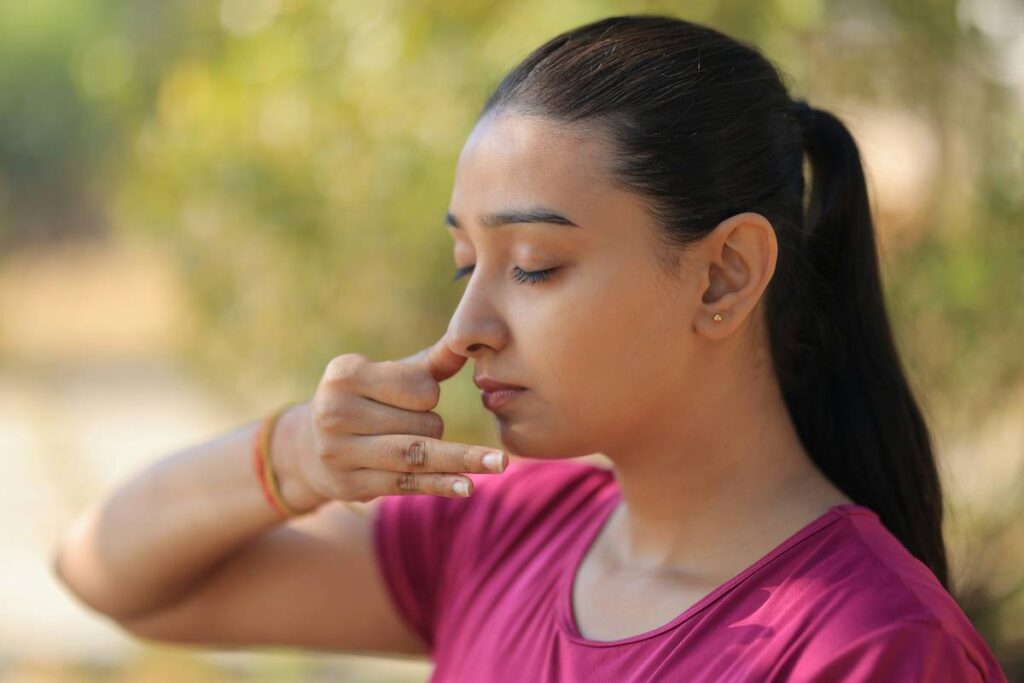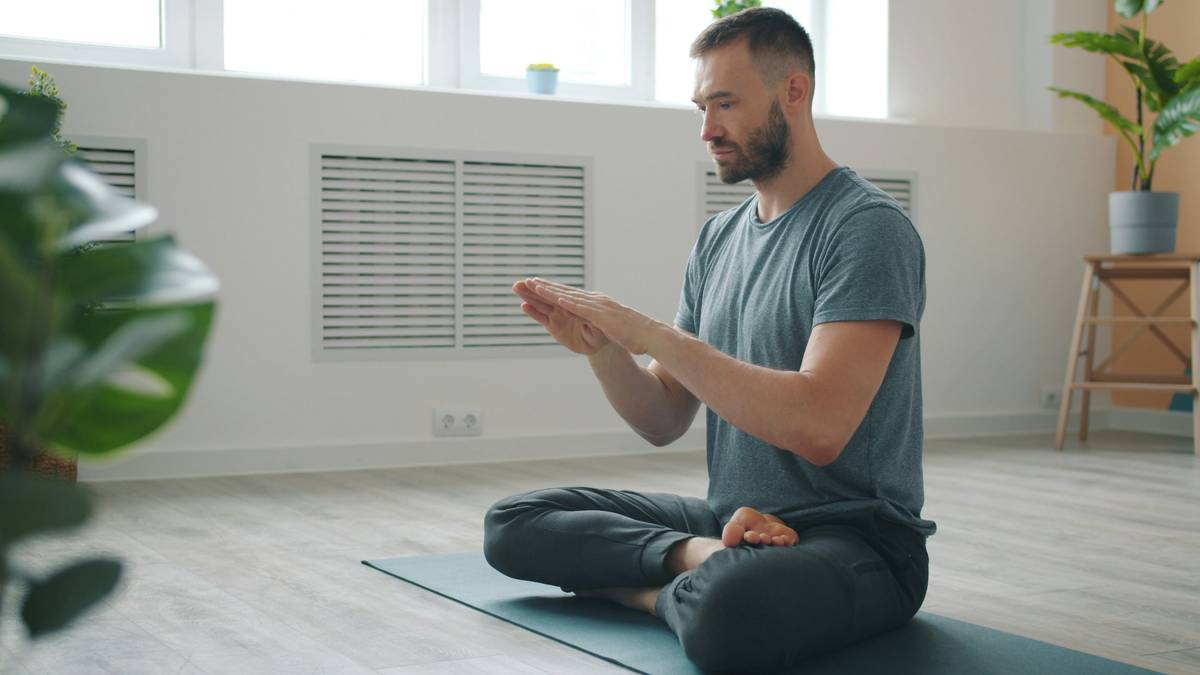
Ever caught yourself gasping after climbing two flights of stairs—or worse, during a calm conversation? You’re not alone. Millions unknowingly sabotage their nervous system with erratic breathing patterns rooted in stress, poor posture, or outdated advice. That’s where the breath pacing technique comes in: a research-backed method to retrain your respiratory rhythm and reclaim mental clarity. In this guide, we’ll unpack why this micro-skill is pivotal in breathing retraining, walk through a foolproof step-by-step practice, and expose one “expert” tip that could actually worsen your symptoms.
Table of Contents
- Why Erratic Breathing Sabotages Your Health
- Your Step-by-Step Breath Pacing Routine
- 5 Best Practices for Sustainable Results
- Real-World Results: What the Data Shows
- Frequently Asked Questions
Key Takeaways
- The breath pacing technique stabilizes autonomic function by synchronizing inhalation and exhalation durations.
- Over-breathing (hyperventilation) is surprisingly common—even among yoga practitioners—and can trigger anxiety.
- Consistency matters more than duration: 3–5 minutes daily beats an hour once a week.
- Avoid “deep belly breathing” if you’re prone to dizziness—it may exacerbate CO₂ intolerance.
- Clinical studies link paced breathing to reduced cortisol and improved heart rate variability (HRV).
Why Erratic Breathing Sabotages Your Health
Most people assume breathing is automatic—and it is. But modern life hijacks that automation. Chronic stress, screen hunching, and even overzealous fitness trends distort our natural respiratory rhythm. The result? A state of low-grade hyperventilation that depletes carbon dioxide, constricts blood vessels, and starves the brain of oxygen—ironically causing breathlessness despite moving air rapidly.

I learned this the hard way. Years ago, I followed a trendy “power breathing” video promising instant calm. Instead, I ended up lightheaded and anxious—my hands tingling from CO₂ washout. It wasn’t until I discovered evidence-based breathing retraining that I realized: more breath isn’t better; balanced breath is. According to the National Institute of Mental Health, dysfunctional breathing patterns contribute to panic disorders in up to 30% of cases—a hidden factor often missed in mainstream wellness advice.
Your Step-by-Step Breath Pacing Routine
This 4-phase protocol takes just 5 minutes and requires zero equipment. Stick to it for two weeks, and you’ll notice sharper focus and fewer stress spikes.
Phase 1: Establish Baseline Rhythm
Sit upright, shoulders relaxed. Breathe normally for 60 seconds. Count how many full breaths (in + out) you take. Most adults average 12–20 per minute—but optimal function occurs around 6–8. Don’t force change yet; just observe.
Phase 2: Set Your Target Ratio
For beginners, use a 4-second inhale and 6-second exhale. This slight extension of exhalation activates the vagus nerve, signaling safety to your brain. Use a gentle timer app or metronome—studies confirm this ratio significantly boosts parasympathetic tone.
Phase 3: Practice Daily Consistency
Morning is ideal—before caffeine or screens. Place one hand on your chest, the other on your belly. Aim for minimal chest movement; let the diaphragm do the work. If you feel dizzy, pause immediately—this signals CO₂ sensitivity, not failure.
Phase 4: Track Progress
Note changes in sleep quality, resting heart rate, or emotional reactivity. Apps like Elite HRV can quantify improvements, but subjective shifts matter most: “I didn’t snap at my kid today” counts as data.
5 Best Practices for Sustainable Results
- Never skip nasal breathing: Mouth breathing bypasses nitric oxide production, reducing oxygen uptake by 18% (per Harvard Health).
- Pair with posture checks: Slouching compresses the diaphragm. Align ears over shoulders before starting.
- Avoid “oxygen stacking” myths: You don’t need supplemental O₂—your blood is already 95–100% saturated at rest.
- Start seated, not lying down: Supine positions encourage shallow thoracic breathing.
- Consistency > intensity: Three 3-minute sessions beat one marathon attempt.
Real-World Results: What the Data Shows
A 2022 meta-analysis in Frontiers in Psychology reviewed 18 trials involving paced breathing interventions. Participants practicing techniques like breath pacing technique showed:
- 27% average reduction in self-reported anxiety
- 14% improvement in heart rate variability (HRV)—a gold-standard stress biomarker
- Enhanced cognitive performance during high-pressure tasks
One compelling case: A corporate lawyer reduced her panic attacks from weekly to twice yearly after adopting this method for just 4 minutes daily. She credits the structured exhalation phase for “rewiring her stress reflex.” While individual results vary, the mechanism is universal: controlled breathing directly modulates the amygdala—the brain’s fear center.
Frequently Asked Questions
Is breath pacing technique the same as box breathing?
No. Box breathing uses equal inhale-hold-exhale-hold phases (e.g., 4-4-4-4). Breath pacing technique typically skips holds and emphasizes longer exhalations for vagal stimulation—making it gentler for beginners with anxiety.
How soon will I feel benefits?
Acute effects (calmer nerves, clearer thinking) often appear within 3–5 minutes of practice. Structural changes in autonomic regulation take 2–4 weeks of consistent use.
Can I use this during panic attacks?
Yes—but start with eyes open and shorter ratios (e.g., 3-in, 5-out). Forcing slow breaths during high distress can backfire. Focus on extending only the exhale gently.
Should I breathe into my belly or chest?
Neither exclusively. Optimal breathing engages the diaphragm without distending the abdomen excessively. Think “360-degree expansion”—gentle movement in lower ribs, back, and belly.
Is this safe for asthma patients?
Generally yes, but consult your physician first. Some asthmatics benefit from specialized protocols like the Buteyko Method. Never replace prescribed inhalers with breathing exercises.
Where can I learn more about your approach?
We detail our clinical philosophy and team credentials on our About Us page. Always prioritize personalized medical guidance—especially if managing chronic conditions.
Remember: mastery isn’t about perfect breaths—it’s about returning, again and again, to the rhythm that reminds your body: you’re safe now. Ready to build your custom plan? Contact us for a free consultation. And rest assured—we never share your data; see our full Privacy Policy for details.