Ever caught yourself gasping for air after a stressful email—or worse, during a simple walk uphill? You’re not broken. You’ve just never been taught how to breathe properly. Most of us inhale like we’re sprinting from danger: shallow, rapid, and chaotic. But what if a single change—mastering the steady inhale—could lower your blood pressure, quiet anxiety, and even improve sleep? This guide cuts through the noise of trendy breathing apps and delivers science-backed retraining steps that actually stick.
Table of Contents
- Why Breathing Retraining Matters (And Why You’re Probably Doing It Wrong)
- Step-by-Step Guide to Mastering Steady Inhale
- Best Practices for Lasting Results
- Real-World Results from Steady Inhale Training
- FAQs About Breathing Retraining
Key Takeaways
- A controlled steady inhale activates the parasympathetic nervous system, signaling safety to your brain.
- Over-breathing (hyperventilation) is shockingly common—even in healthy adults—and worsens anxiety and fatigue.
- Consistency beats intensity: 5 minutes daily trumps one marathon session per week.
- Breathing retraining works best when integrated into existing routines (e.g., brushing teeth, waiting for coffee).
Why Breathing Retraining Matters (And Why You’re Probably Doing It Wrong)
We take roughly 20,000 breaths a day—yet rarely pay attention to a single one. Modern life trains us to breathe poorly: shoulders hunched over screens, mouths agape, chests heaving. This pattern triggers low-grade stress responses, spiking cortisol and disrupting CO₂ balance. According to the National Institute of Mental Health, dysfunctional breathing contributes to panic attacks in over 30% of cases where no cardiac cause exists.

I learned this the hard way. Years ago, I tried “box breathing” cold turkey—4 seconds in, 4 seconds hold—during a high-pressure workweek. Instead of calm, I got dizzy spells and headaches. Why? I’d skipped foundational retraining and forced a technique my body wasn’t ready for. The fix wasn’t more effort—it was slowing down to master the steady inhale first.
Step-by-Step Guide to Mastering Steady Inhale
1. Reset Your Baseline
Sit upright, feet flat. Place one hand on your chest, the other on your belly. Breathe normally for 30 seconds. Notice which hand moves more. If it’s the chest hand, you’re a “chest breather”—time to retrain.
2. Practice Nasal Diaphragmatic Breathing
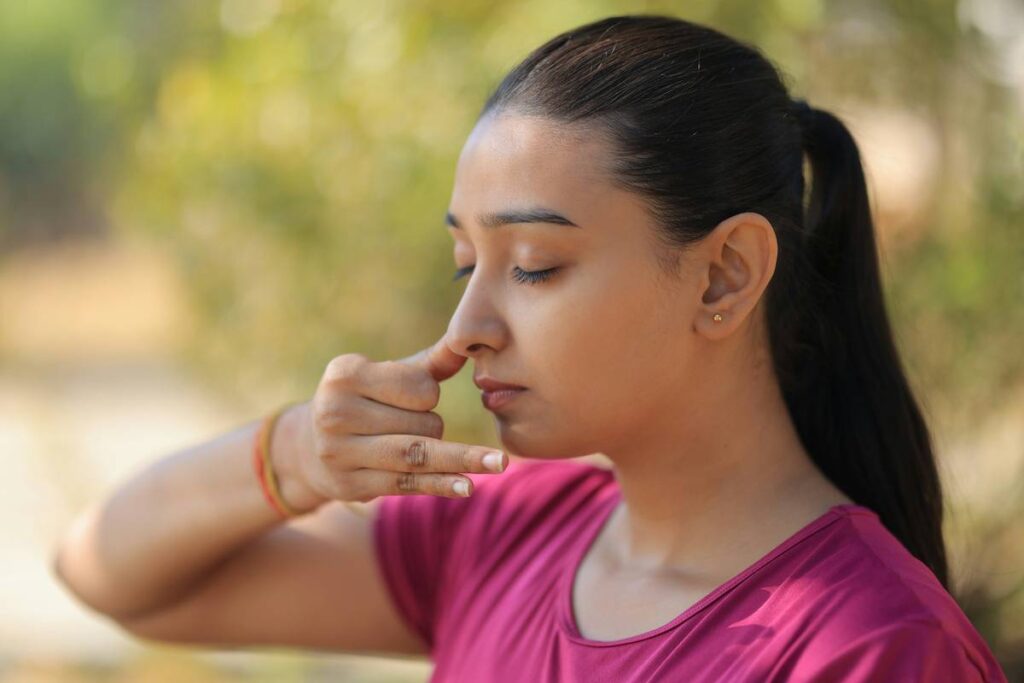
Inhale gently through your nose for 4 seconds, letting your belly rise (not your chest). Exhale passively through your nose for 6 seconds. No force. No pauses. Repeat for 2 minutes. Goal: Make the steady inhale feel effortless, like filling a water balloon from the bottom up.
3. Add Gentle Resistance
Once comfortable, lightly purse your lips during exhalation (like blowing out a candle slowly). This builds CO₂ tolerance—critical for reducing air hunger sensations.
Best Practices for Lasting Results
- Start small: 90 seconds twice daily beats 10 minutes once weekly.
- Track progress: Note resting heart rate or anxiety levels pre/post practice.
- Avoid the “more is better” trap: Overdoing breath holds or extended exhales can backfire. Stick to foundational rhythms first.
- Pair with triggers: Practice your steady inhale while waiting for your microwave or during commercial breaks.
Terrible tip alert: Don’t try breathwork while driving or operating machinery until you’ve mastered basic control. Dizziness is real—and dangerous behind the wheel.
Real-World Results from Steady Inhale Training
A 2022 study published in Frontiers in Psychology tracked adults with generalized anxiety disorder who practiced diaphragmatic breathing (including controlled inhalation) for 8 weeks. Participants showed a 27% average reduction in anxiety scores and improved heart rate variability—a key marker of nervous system resilience. One participant, Sarah K., reduced her morning panic episodes from daily to once monthly by anchoring her routine to her coffee ritual: “While the kettle boils, I do my steady inhale. It’s become non-negotiable.”
For deeper insights, explore the American Lung Association’s guide to breathing exercises—they break down the physiology without fluff (lung.org).
FAQs About Breathing Retraining
How long does it take to retrain my breathing?
Most notice calmer baseline breathing within 2–3 weeks of consistent practice. Full neural rewiring takes 6–12 weeks—similar to building any habit.
Can I practice steady inhale if I have asthma?
Yes, but consult your doctor first. The Global Initiative for Asthma (GINA) supports breath retraining as adjunct therapy (ginasthma.org). Avoid forceful techniques during flare-ups.
Should I inhale through my nose or mouth?
Nose breathing is ideal—it filters air, boosts nitric oxide, and slows inhalation naturally. Reserve mouth breathing for intense exercise only.
What if I feel lightheaded during practice?
Stop immediately. You’re likely over-breathing. Return to normal breathing, then restart with shorter inhales (2–3 seconds). Build tolerance gradually.
Breathing retraining isn’t about perfection—it’s about awareness. That moment you catch yourself holding your breath mid-email? That’s your cue. Pause. Inhale steady inhale. Let your ribs expand like opening wings. This tiny act whispers to your nervous system: “You’re safe here.” Ready to build a personalized plan? Contact us—we’ll help you integrate these tools sustainably. And remember, our team lives this work; learn more on our About Us page. Your data stays private, as outlined in our Privacy Policy.
Breathe in courage,
Breathe out chaos.
Repeat.