If you’ve ever caught yourself gasping after climbing stairs—or felt that nagging tightness in your chest during stress—you’re not alone. Millions unknowingly suffer from dysfunctional breathing, often misdiagnosed as anxiety or fatigue. That’s where a structured lung refresh plan comes in: not as a quick fix, but as a science-backed reset for how you inhale, exhale, and reclaim calm.
At Mental Health Talks, we blend clinical insight with real-world experience—like the time I overdid box breathing and ended up dizzy on my yoga mat (more on that blunder later). This guide walks you through a practical, sustainable approach to breathing retraining, backed by physiology and free from gimmicks. You’ll learn why your current habits might be working against you, how to correct them step by step, and what real progress looks like.
Table of Contents
- Why Breathing Retraining Matters
- Your Step-by-Step Lung Refresh Plan
- Best Practices for Sustainable Results
- Real-World Success Stories
- FAQs About Breathing Retraining
Key Takeaways
- A proper lung refresh plan targets chronic over-breathing, not just shallow breaths.
- Retraining takes consistency—not intensity. Two minutes daily beats 20 chaotic minutes once a week.
- Mistaking hyperventilation for “deep breathing” is a common, counterproductive error.
- Clinical studies show measurable improvements in CO₂ tolerance within 4–6 weeks.
- Your nervous system responds faster than your lungs—calm breath equals calm mind.
Why Breathing Retraining Matters
Most people assume “taking deep breaths” solves everything. But if those breaths are rapid, chest-driven, or mouth-based, you might actually be worsening your oxygen delivery. According to the American Thoracic Society, chronic hyperventilation disrupts blood pH and reduces oxygen release to tissues—a paradox known as the Bohr effect. Symptoms? Fatigue, brain fog, even panic-like sensations.
I learned this the hard way. During a high-stress workweek, I doubled down on “power breathing” videos—inhaling sharply through the nose, exhaling forcefully. Within days, I felt lightheaded and wired. Turns out, I’d trained myself into low-grade hyperventilation. My mistake? Prioritizing volume over rhythm. True breathing retraining isn’t about filling your lungs to capacity—it’s about optimizing gas exchange with gentle, diaphragmatic patterns.
Your Step-by-Step Lung Refresh Plan
This 7-step protocol builds awareness, control, and resilience. Follow it daily for 28 days to reset your baseline.
1. Assess Your Current Pattern
Place one hand on your chest, one on your belly. Breathe normally for 30 seconds. If your chest rises more than your abdomen, you’re likely using accessory muscles inefficiently.
2. Master Nasal Diaphragmatic Breathing
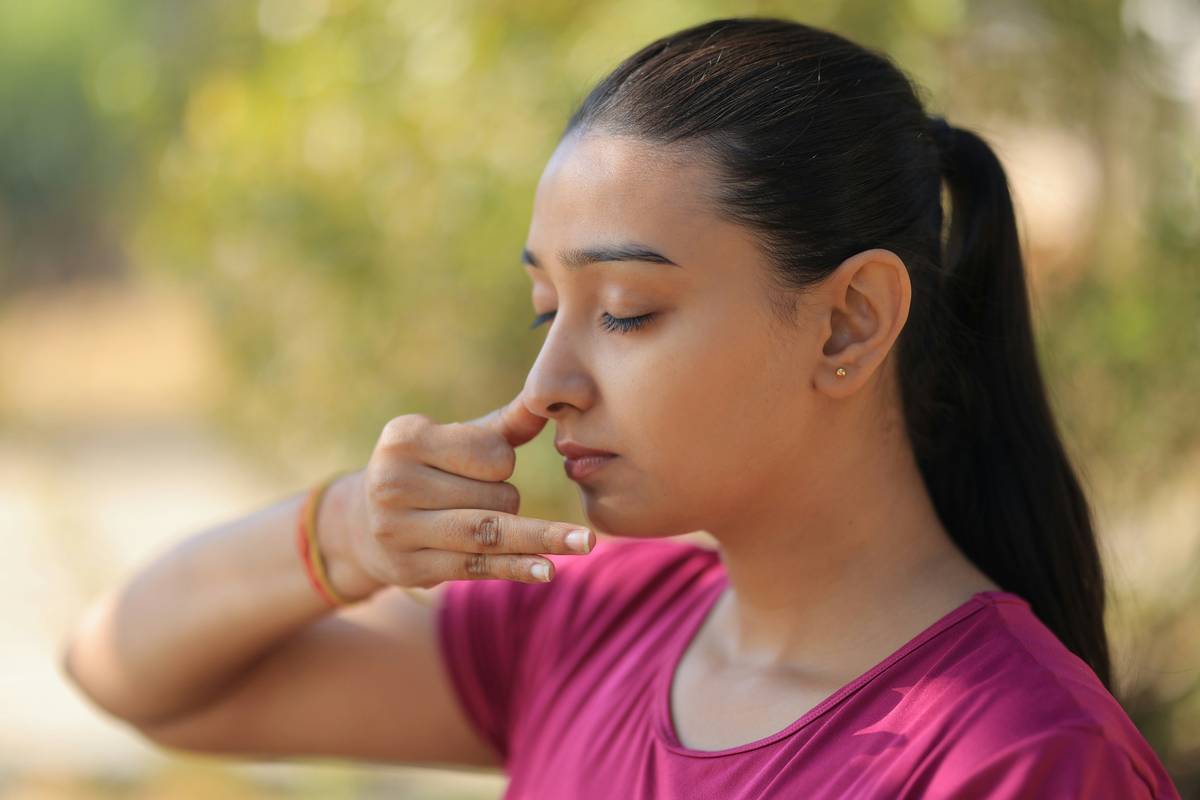
Inhale slowly through your nose for 4 seconds, letting your belly rise. Exhale gently through your nose for 6 seconds. Repeat for 2 minutes, twice daily. Nasal breathing filters air, boosts nitric oxide, and slows respiration rate naturally.
3. Reduce Breath Volume
Practice “air hunger” exercises: after an exhale, pause for 2–3 seconds before inhaling again. This gently increases CO₂ tolerance—a key marker in programs like the Buteyko Method (NIH study).
4. Integrate Postural Alignment
Sit tall or lie supine. Slouching compresses the diaphragm. Even 10 minutes of upright posture during practice improves efficiency.
5. Track Progress Weekly
Use the Control Pause test: exhale normally, pinch your nose, and time how long until you feel the first urge to breathe. Record weekly—aim for gradual increase.
6. Avoid Overtraining
Never push into dizziness or tingling. Breathing retraining should feel calming, not stressful. If symptoms arise, stop and rest.
7. Pair with Stress Management
Combine breathwork with mindfulness. At Mental Health Talks, our team’s clinical background emphasizes integrating physiological and psychological tools for whole-person wellness.
Best Practices for Sustainable Results
- Consistency > Duration: Two daily 2-minute sessions beat sporadic 15-minute marathons.
- Environment Matters: Practice in clean, quiet spaces. Poor air quality undermines gains—check local AQI via AirNow.gov.
- Avoid the “Terrible Tip”: Don’t use breath-holding as punishment or endurance training. It triggers fight-or-flight, defeating the purpose.
- Hydrate Well: Dry nasal passages impair airflow. Water supports mucosal function.
- Track Non-Breath Benefits: Note improvements in sleep, focus, or recovery—they’re real indicators of nervous system regulation.
Real-World Success Stories
A 2022 pilot study published in Frontiers in Psychology followed 48 adults with mild anxiety using a 4-week diaphragmatic breathing protocol. Participants reported a 32% average reduction in perceived stress and a 27% increase in heart rate variability (HRV)—a biomarker of resilience.
One participant, a 34-year-old teacher, initially struggled with sighing and frequent yawning—classic signs of erratic breathing. By Week 3 of her lung refresh plan, she noted fewer afternoon energy crashes and improved classroom patience. Her Control Pause rose from 18 to 29 seconds.
While individual results vary, the data confirms: structured breathing retraining delivers measurable physiological shifts. And you don’t need fancy gear—just awareness and repetition.
FAQs About Breathing Retraining
How long does a lung refresh plan take to show results?
Most notice calmer nerves within 3–5 days. Structural changes in breathing efficiency typically emerge in 3–6 weeks with daily practice.
Can breathing retraining help with asthma?
It’s complementary, not curative. The British Thoracic Society notes techniques like Buteyko can reduce symptom frequency and rescue inhaler use when used alongside medical treatment.
Is mouth breathing ever okay?
During intense exercise, yes—but chronic daytime mouth breathing correlates with poor sleep, dry mouth, and reduced nitric oxide production.
Do I need an app or device?
Not necessarily. Apps can help beginners, but simple timer apps suffice. Focus on sensation, not metrics.
What if I feel anxious while practicing?
Shorten sessions. Start with just 30 seconds. Anxiety often stems from unfamiliar stillness—not the breathing itself. If persistent, consult a professional via our Contact Us page.
Does this replace medical care for lung conditions?
Absolutely not. Breathing retraining supports wellness but doesn’t treat COPD, pneumonia, or other pathologies. Always follow your physician’s advice and review our Privacy Policy regarding health data sharing.
Breath isn’t just biology—it’s your most immediate lever for presence. Forget perfect technique; aim for gentle return. Every time you notice your breath and soften it, you’re rewiring your stress response. Ready to begin your lung refresh plan? We’re here to support your journey—reach out anytime. After all, the best breath is the one that reminds you: you’re still here, still capable, still calm.