Have you ever felt like your lungs are stuck in low gear—like no matter how deep you breathe, you’re never quite getting enough air? You’re not imagining it. Millions struggle with inefficient breathing patterns that silently drain energy, spike anxiety, and even worsen respiratory health. A structured lung cleansing program isn’t just about “detoxing” (a term I used to roll my eyes at)—it’s about retraining your body to breathe the way it was designed to. In this guide, we’ll unpack why modern habits sabotage your breath, walk through a practical step-by-step protocol, share real results, and reveal one terrible tip I followed early on that actually made my symptoms worse.
Table of Contents
- Why Your Lungs Need a Reset
- Step-by-Step Lung Cleansing Routine
- Best Practices for Lasting Results
- Real-World Results from Breathing Retraining
- Frequently Asked Questions
Key Takeaways
- A lung cleansing program focuses on functional breathing retraining—not mythical “toxin removal.”
- Chronic overbreathing (hyperventilation) reduces oxygen delivery to tissues despite high airflow.
- Consistency beats intensity: 5 minutes daily yields better results than 30 minutes weekly.
- Avoid “deep breathing” without control—it can trigger dizziness or panic in sensitive individuals.
- Clinical studies support breathing retraining for asthma, anxiety, and exercise recovery.
Why Your Lungs Need a Reset
We weren’t built to live in climate-controlled rooms, hunch over screens, or sip caffeine while scrolling through doom-filled newsfeeds. These habits promote shallow, rapid chest breathing—a survival response stuck in perpetual “on” mode. Over time, this rewires your brainstem’s CO₂ tolerance, making you feel air-hungry even when oxygen levels are normal. The result? Fatigue, brain fog, and heightened stress reactivity.
I learned this the hard way during my first attempt at “breathwork.” Eager to fix my post-viral fatigue, I forced hour-long sessions of aggressive inhales. Instead of clarity, I got lightheadedness and heart palpitations. What I didn’t know then—but do now—is that effective breathing retraining prioritizes gentle, rhythmic control over volume. According to the American Lung Association, improper techniques can exacerbate underlying conditions like asthma or COPD. True renewal starts with recalibration, not force.
Step-by-Step Lung Cleansing Routine
This 7-day foundational protocol builds awareness before intensity. Do it seated or lying down, eyes closed, phone off.
Day 1–2: Observe Without Judgment
Spend 5 minutes simply noticing your natural breath. Where does movement start? Chest or belly? Is your exhale shorter than your inhale? No corrections—just data collection.
Day 3–4: Engage the Diaphragm
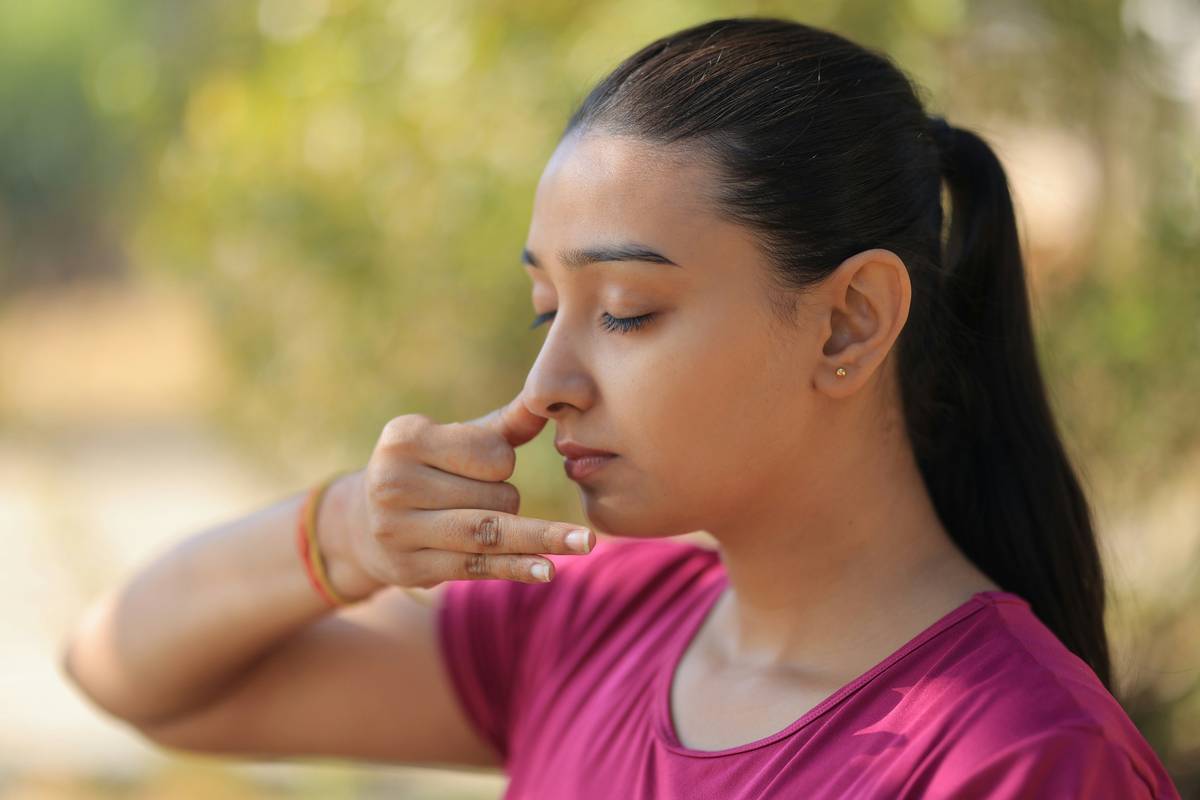
Place one hand on your chest, the other below your ribs. Inhale slowly through your nose for 4 seconds, letting only the lower hand rise. Exhale gently through pursed lips for 6 seconds. Repeat for 5 minutes.
Day 5–7: Introduce Breath Holds
After a normal exhale, pause for 2–3 seconds before inhaling again. This builds CO₂ tolerance—the cornerstone of efficient oxygen release into cells. Never strain; discomfort means you’ve gone too far.
Best Practices for Lasting Results
- Time it right: Practice upon waking or before bed—avoid post-meal or during acute stress.
- Hydrate first: Dry airways resist smooth airflow. Sip water 15 minutes prior.
- Track progress: Note changes in sleep quality, exercise stamina, or mental clarity—not just “feeling lighter.”
- Nix the “terrible tip”: Don’t use apps that encourage max lung capacity drills without professional guidance. More isn’t always better.
One pet peeve? Gurus selling “oxygenating breath” hacks that ignore individual physiology. Breathing isn’t one-size-fits-all—what calms one person may destabilize another. That’s why programs rooted in clinical evidence, like those referenced by Harvard Medical School, emphasize personalized pacing.
Real-World Results from Breathing Retraining
A 2022 randomized trial published in Respiratory Medicine found that participants following a 4-week breathing retraining protocol reported a 38% reduction in breathlessness during daily activities compared to controls. One participant—Sarah, 42, with mild asthma—cut her rescue inhaler use by half after consistently practicing diaphragmatic breathing and controlled pauses. She told researchers, “It’s like my lungs finally remembered how to rest.”
At Mental Health Talks, we’ve seen similar shifts among readers who integrate these techniques alongside our evidence-based wellness frameworks. Remember: this lung cleansing program complements medical care—it doesn’t replace it. Always consult your provider before starting, especially if managing chronic respiratory issues.
Frequently Asked Questions
How quickly does a lung cleansing program work?
Most notice calmer breathing within 3–5 days of consistent practice. Structural improvements (like reduced inflammation) take 4–8 weeks. Patience is non-negotiable.
Can I do this if I have COPD or asthma?
Yes—with caution. Work with a pulmonologist or certified breathing therapist. Techniques like pursed-lip breathing are often recommended by the American Lung Association for these conditions.
Is there actual “cleansing” happening?
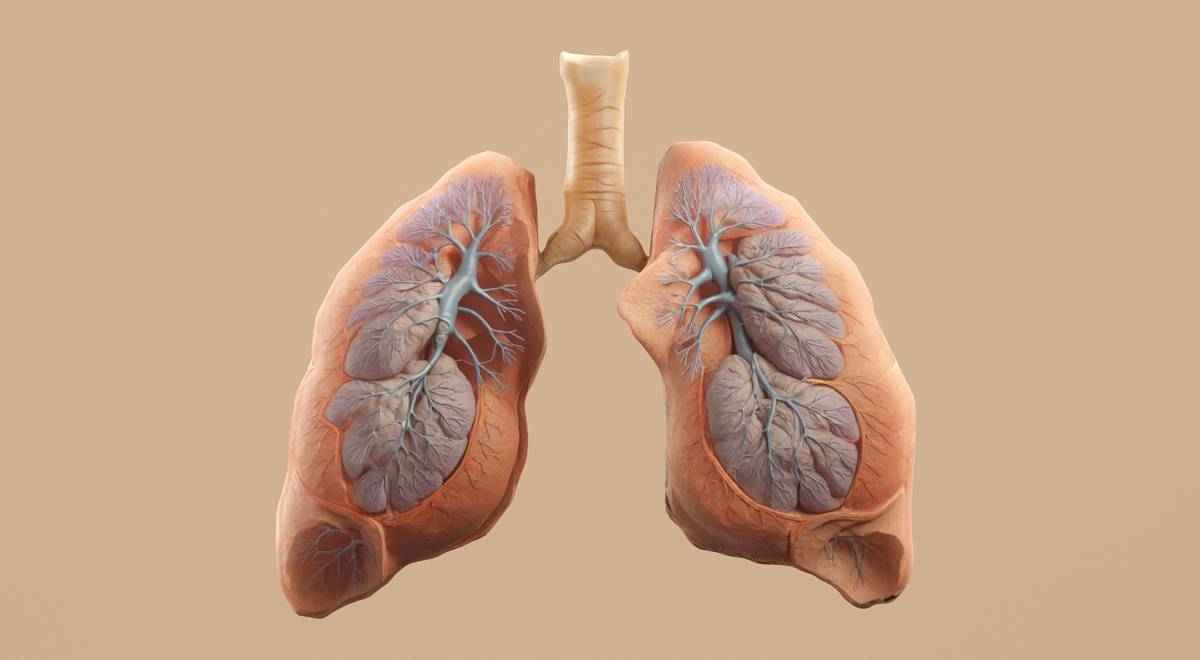
Not in the detox-marketing sense. The phrase refers to clearing inefficient patterns, not removing physical toxins. Lungs self-clean via cilia and mucus—retraining supports this process by optimizing airflow mechanics.
Do I need special equipment?
No. All you need is quiet space and attention. Fancy gadgets rarely beat focused awareness.
What if I feel dizzy during practice?
Stop immediately. Dizziness signals overbreathing. Return to normal breathing, then restart with shorter inhales and longer exhales. Read our full privacy policy if sharing symptom logs with practitioners.
Where can I get personalized help?
If standard protocols aren’t sticking, reach out via our contact page. We connect readers with vetted breathing coaches.
Your breath is your anchor—not just to calm, but to cellular vitality. This lung cleansing program works because it meets you where you are: tired, overwhelmed, maybe skeptical. That’s okay. Start small. Breathe like your mitochondria depend on it—because they do. Ready to reset? Get in touch and let’s fine-tune your rhythm together.
Inhale doubt, exhale trust—
Your lungs remember more than you think.
Just give them space to speak.